The Sophie Rain Spiderman Video Tutorial has emerged as a cornerstone for aspiring digital creators seeking to blend high-fashion cosplay with professional-grade cinematic production techniques. By dissecting the intricate balance of costume precision, dynamic lighting, and post-production color grading, this guide provides a comprehensive roadmap for mastering the art of superhero-themed content. As the digital landscape shifts toward high-fidelity short-form media, understanding these specific technical elements is essential for achieving the professional-grade results seen in viral superhero transformations. 
The Rise of High-Fidelity Cosplay Cinematography
In the contemporary era of social media, the barrier between amateur content and professional filmmaking has blurred significantly. Creators like Sophie Rain have redefined the "Spiderman" aesthetic by moving beyond simple costume reveals and into the realm of short-form storytelling. The "Sophie Rain Spiderman Video Tutorial" style isn't merely about wearing a suit; it is about the synthesis of character acting, high-end equipment utilization, and an understanding of visual psychology. This shift reflects a broader trend in the creator economy where "production value is the new currency," according to digital media analysts. To master this art, one must look at the video as a multi-layered project rather than a single recording session.
The success of these videos often lies in their ability to evoke a sense of "hyper-reality." This is achieved through a combination of high-resolution sensors, specialized lenses, and a meticulous approach to costume texture. When a creator follows a Sophie Rain-inspired tutorial, they are learning how to treat a superhero persona with the same gravity as a big-budget Marvel production, albeit on a much smaller scale and budget. The goal is to create a visual experience that feels both familiar to fans of the franchise and fresh through the lens of a unique creator personality.
Pre-Production: The Foundation of the Spiderman Look
Before the camera even begins to roll, the "Sophie Rain Spiderman Video Tutorial" methodology emphasizes the importance of the "Replica Quality" costume. In the world of high-end cosplay, not all suits are created equal. To achieve the sleek, muscular, and comic-accurate look seen in top-tier tutorials, creators often utilize specific materials and structural enhancements.
- 4-Way Stretch Spandex: This material allows for maximum mobility while maintaining a tight, form-fitting silhouette that mimics the "second skin" look of Spider-Man.
- Face Shells and Magnetic Lenses: A critical component of the Sophie Rain style is the use of a hard "face shell" under the mask. This maintains the iconic head shape and prevents the "nose-squish" effect common in lower-quality costumes.
- Puff Paint and Texture: For added depth, many creators apply 3D puff paint to the webbing of the suit, allowing the camera to catch highlights and shadows on the costume's surface.
As one industry veteran noted, "The suit is 50% of the battle. If the fabric doesn't catch the light correctly, no amount of editing can save the immersion." Therefore, the first step in mastering this art is investing in or modifying a costume that can withstand the scrutiny of a high-definition 4K lens.
Technical Execution: Lighting and Camera Settings
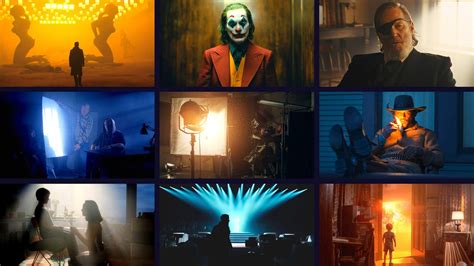
The hallmark of a Sophie Rain Spiderman video is its "glossy" yet "moody" lighting. Achieving this requires a departure from standard "ring light" setups used by many casual creators. To master the art, one must implement a three-point lighting system, often supplemented with RGB accents to provide a "Cyberpunk" or "New York City at night" atmosphere.
The Lighting Setup
1. Key Light: A large softbox placed at a 45-degree angle to the subject. This provides the primary illumination while keeping the shadows soft and flattering.
2. Fill Light: A lower-intensity light or reflector on the opposite side to prevent the shadows from becoming "crushed" or completely black.
3. Rim Light (The "Hero" Light): Placed behind the creator, this light creates a thin halo of brightness around the edges of the Spiderman suit. This is crucial for separating the red and blue of the costume from dark backgrounds.
In terms of camera settings, the tutorial style typically favors a high frame rate (60fps or 120fps) recorded at a 4K resolution. This allows the creator to use "speed ramping" in post-production—slowing down the footage during an iconic pose or web-slinging motion to emphasize the physical prowess of the character. "The fluidity of motion in a Spiderman video is what separates the masters from the beginners," says cinematographer Marcus Thorne. "You want the viewer to feel the weight and the grace of the movement."
Choreography and the Art of Movement
Spider-Man is defined by his agility and unique center of gravity. A Sophie Rain Spiderman Video Tutorial focuses heavily on "The Pose." Mastering the art requires the creator to understand body lines and camera angles. Because the Spiderman mask hides facial expressions, the creator must communicate emotion and "cool factor" entirely through body language.
Effective choreography in these videos often includes "low-angle shots" to make the creator appear larger than life. The "three-point landing" is a staple move, but it requires precision to look natural. Creators are encouraged to practice "dynamic tension"—the act of tensing muscles even when stationary—to ensure the suit looks filled out and powerful. Furthermore, the use of "leading lines" in the environment (such as rooftops or urban alleys) helps guide the viewer's eye toward the subject, creating a more professional and composed frame.
Post-Production: VFX and Color Grading
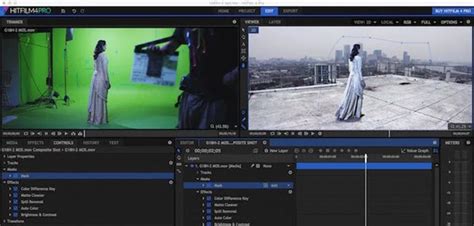
The final "polish" of the Sophie Rain Spiderman Video Tutorial style happens in the editing suite. This is where the "magic" of the web-slinger comes to life. While some creators use high-end software like Adobe Premiere Pro or After Effects, many viral successes are now edited on mobile-first platforms like CapCut, using advanced masking and keyframe techniques.
Color grading is perhaps the most vital step in the post-production phase. The "Sophie Rain" look often involves boosting the saturation of the reds while cooling down the shadows with a slight teal or blue tint. This creates a "cinematic contrast" that makes the colors pop off the screen. Additionally, the inclusion of digital assets—such as web-shooting sparks, lens flares, or artificial motion blur—adds a layer of professional veneer that captivates the audience's attention within the first three seconds of the video.
The Psychology of Audience Engagement
Why does the Sophie Rain Spiderman Video Tutorial style resonate so deeply with millions of viewers? It taps into the "Power Fantasy" and "Aesthetic Satisfaction" tropes of modern media. By providing a step-by-step guide to mastering this art, creators are not just teaching a technical skill; they are teaching a method of digital branding. The objective is to create content that is "re-watchable." This is achieved through "looping" techniques, where the end of the video seamlessly transitions back to the beginning, a common tactic in short-form video optimization.
Furthermore, the tutorial emphasizes the importance of "Sound Design." The "thwip" of a web-shooter, the heavy thud of a landing, and the choice of trending but atmospheric music all contribute to the sensory experience. As digital consumption habits evolve, the creators who can master these multi-sensory elements are the ones who will define the next generation of online entertainment.
Conclusion: The Future of Superhero Content
Mastering the art of the Sophie Rain Spiderman Video Tutorial is a journey through the intersection of technology, fashion, and physical performance. It requires a dedication to detail that goes far beyond the surface level of a simple "costume video." By focusing on high-quality materials, sophisticated lighting, dynamic movement, and meticulous editing, creators can elevate their work to a professional standard that rivals traditional media production. As tools become more accessible, the distinction between "fan" and "filmmaker" will continue to dissolve, led by those who take the time to master these intricate steps.
The legacy of this specific tutorial style is the democratization of high-end visual effects. It proves that with the right knowledge and a bit of creativity, anyone can bring the iconic Wall-Crawler to life in a way that feels authentic, powerful, and visually stunning. Whether for personal branding or professional growth, the skills learned through this guide serve as a foundation for any creator looking to make their mark in the crowded world of digital media.